
Community rewilding is easier than you might think
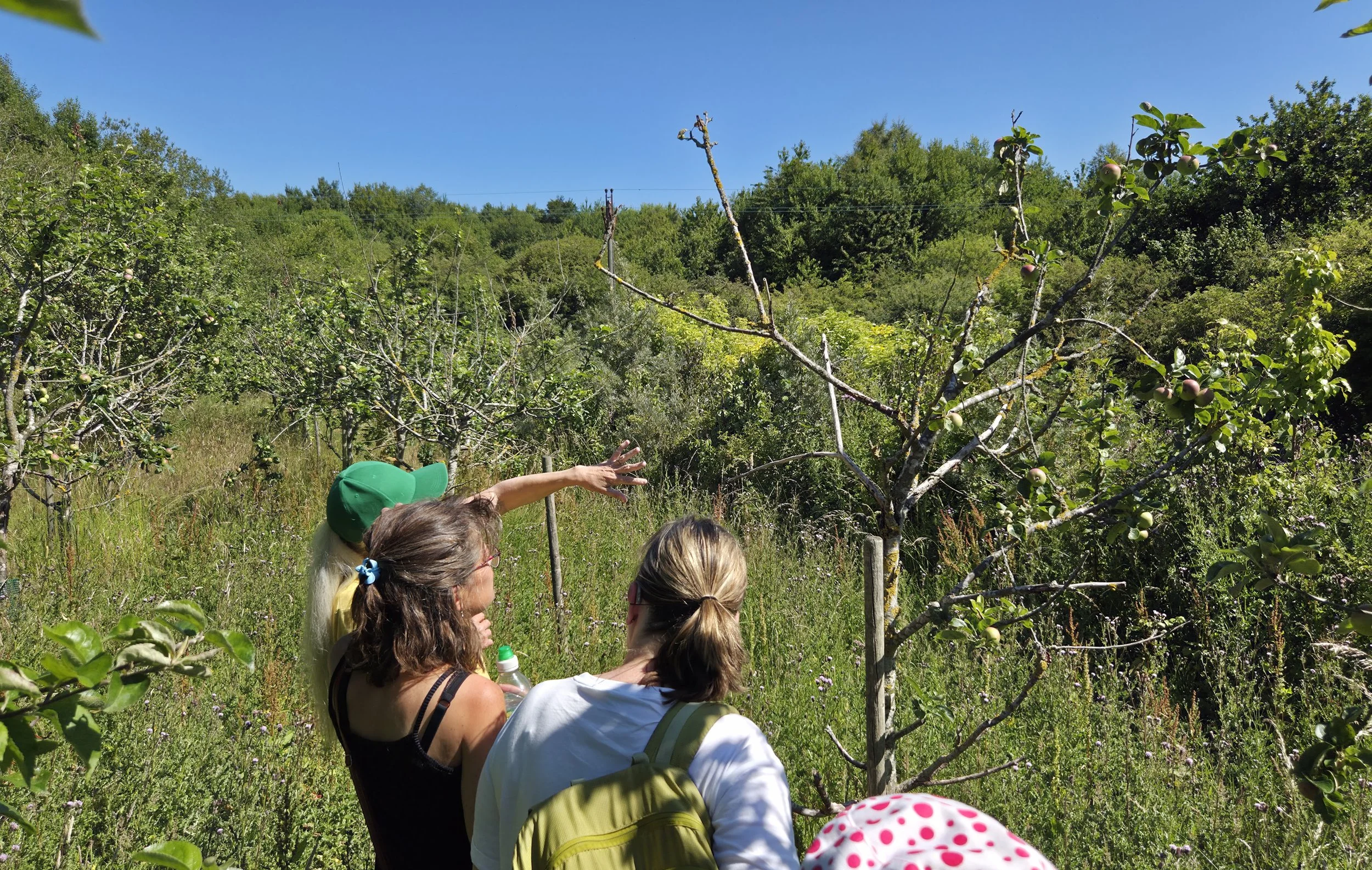
Community rewilding isn’t just for experts or large organisations. It’s something we can all get involved in. By creating green spaces and supporting wildlife, every individual, school, business, or neighbourhood can make an impact.
Community rewilding benefits people too. Green spaces improve mental health, reduce stress, and make communities feel calmer and happier. It gives neighbours, children, and friends a shared goal and it’s incredibly rewarding to watch wildlife return to spaces you care for.
It can happen anywhere. A schoolyard, a hospital garden, a roadside verge, even a balcony or back yard can be transformed into buzzing pockets of wildlife. An important part of Community Rewilding is “connecting” wild spaces making it easier for biodiversity to find a safe place to thrive.
You don’t need special skills, years of experience, or a big budget. Once you set the conditions, nature will work its magic, fill in the gaps, and bring life back. Read our in-depth explanation about community rewilding.
Real-life examples from the North East
Climate Action North community rewilding projects show just how simple it can be to make a difference:
MetroCentre goes wild. MetroCentre partnered with Climate Action North to work on rewilding outdoor areas and increasing biodiversity across the centre's grounds.
Hospital gardens come alive. Northumbria NHS Trust has teamed up with Climate Action North to rewild five hospital sites. Native flowers, shrubs, and pollinator habitats now thrive alongside spaces for staff, patients, and visitors to enjoy.
Pollinator Parks on business and retail sites. The Pollinator Parks® programme transforms outdoor areas on business and retail parks into ecological oases by introducing native wildflower mini‑meadows. Key sites include Dalton Park Outlet Shopping Centre, Darlington Denes, Sunderland Enterprise Park, and the North East BIC.
These examples show that anyone can play a role in community rewilding.
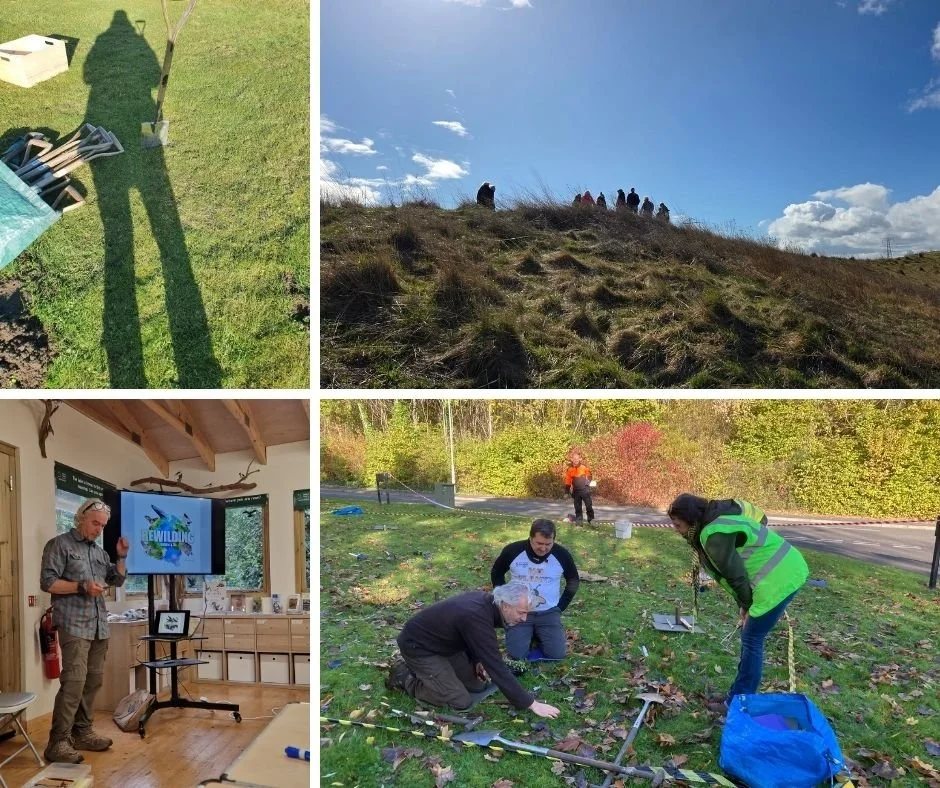
How to get started
Getting started is easier than you think. Here are five practical tips to make your space wildlife-friendly:
Start small. Transform a corner of a garden, a balcony, or schoolyard before tackling bigger areas.
Leave areas a bit wild. Don’t mow every patch of grass, longer grass provides shelter for insects and small animals. A little ’scruffination’ as Phil Macari of Climate Action North calls it, creates homes for bees, butterflies, birds, and other wildlife.
Plant native flowers and shrubs. Local species support local pollinators and birds.
Provide water. A shallow dish or small pond can help birds, bees, and amphibians.
Involve others and observe. Friends and neighbours can help maintain and expand green spaces. Take note of what wildlife appears and enjoy the space together.
Get even more tips on how to rewild.
Join the North East Rewilding Network
The North East Rewilding Network is a supportive community dedicated to expanding rewilding efforts on land and sea. It’s a great way to learn, share experiences, and collaborate on community rewilding projects of all types from land, allotments, community gardens, schools, or even a window box. Starting small and collectively inevitably provides a pathway to the bigger projects. It’s all about connectivity.
Take action: sponsor a project
Inspired by these projects? You can bring rewilding to your community by sponsoring a project. Every contribution helps, whether it’s planting native flowers, maintaining pollinator habitats, or supporting local green spaces. Email info@climateactionnortheast.org.uk to get involved.
Community rewilding is achievable, practical, and rewarding. You don’t need to wait or plan perfectly. Start small, involve your community where you can, and see for yourself. It’s easier than you might think!
The time for talking is over, today we need to act.