
My First ReMeMaRe: Seagrass, Oysters, and a Whole Lot of Inspiration
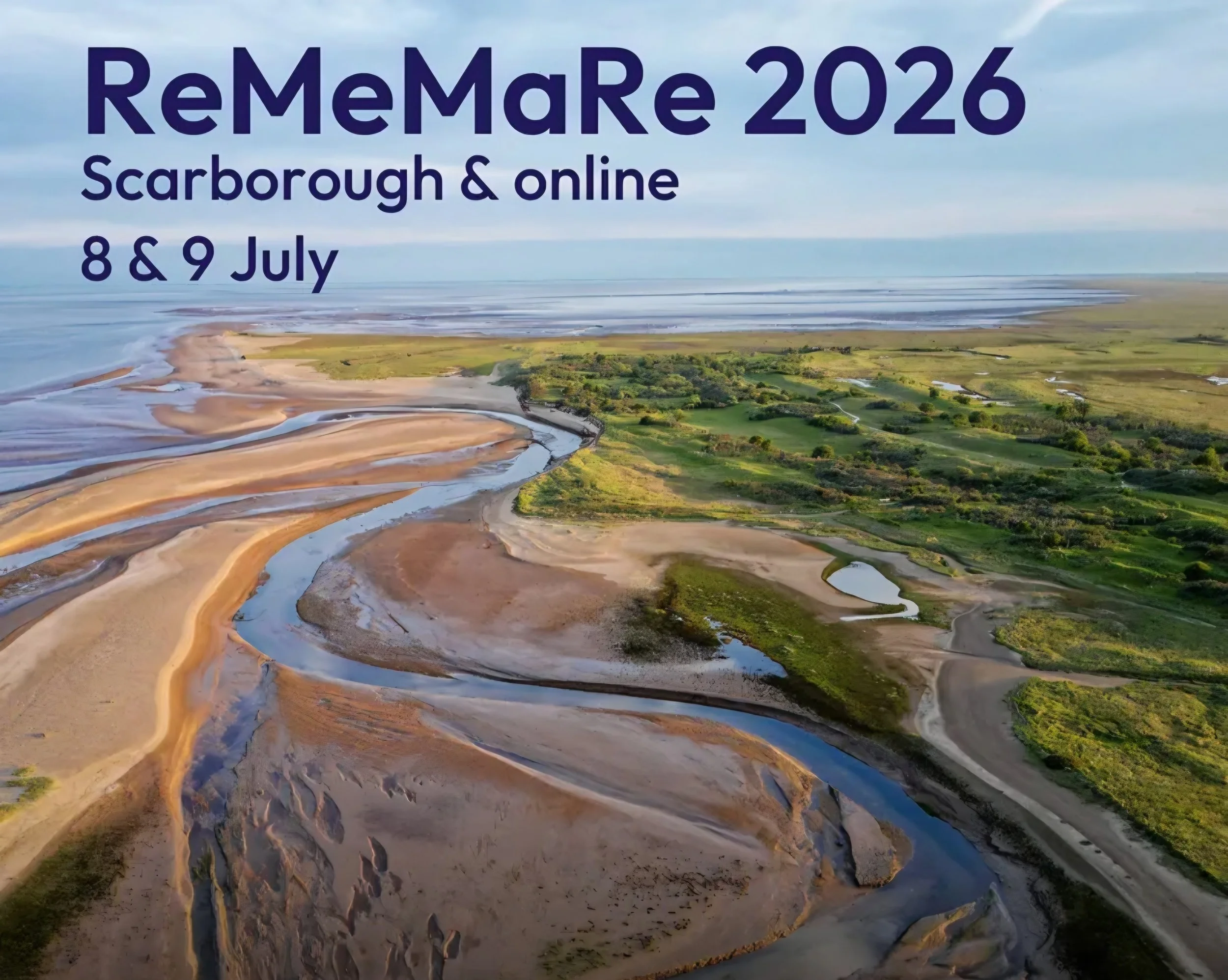
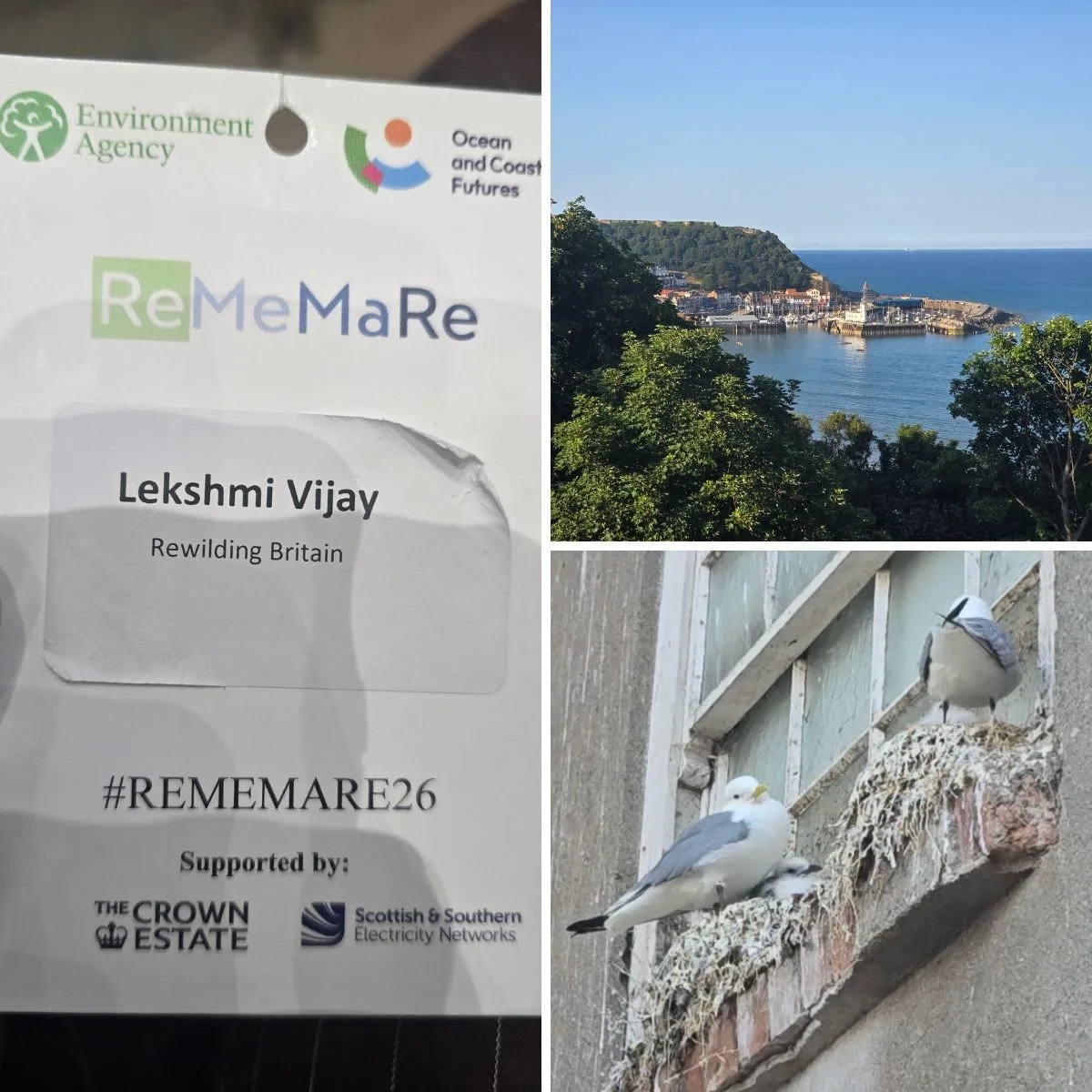
Two weeks into my summer internship with the Environment Agency, I had the chance to attend the ReMeMaRe conference in Scarborough through the North East Young Rewilders Networking Group (YOUNG) - my first time at a large marine conservation event.
After being surrounded by people with expertise in birds, bees, wildflowers and fungi, it was strange to open this door into the marine world. I wasn't quite sure what to expect, but I came away with innovative ideas, new contacts, and a much bigger picture of what marine conservation and nature restoration for climate change adaptation actually look like in practice across the country.
I was contacted by Sharon Lashley, CEO of Climate Action North and lead for the North East Rewilding Network, after Rewilding Britain kindly offered a complimentary place to YOUNG. As a member of the group, and having just started at the Environment Agency, it felt like the perfect opportunity to properly immerse myself in the world I'd only just stepped into.
ReMeMaRe (Restoring Meadow, Marsh, and Reef) brings together people working on marine and coastal habitat restoration from all over the UK, and as an event hosted by the Environment Agency, it was a chance to see the breadth of projects happening nationally – not just read about them but hear directly from the people delivering them.
What caught my attention
Two habitats in particular stood out to me: seagrass and oysters.
Seagrass meadows are often described as one of the ocean’s best-kept secrets when it comes to climate action – they lock away carbon at a remarkable rate, support biodiversity, and help stabilise coastlines.
Hearing from the people restoring these meadows around the UK really brought home how much quiet, patient work goes into bringing a habitat like this back from decline. Everything from manual to engineering work makes innovation such a powerful tool in project delivery and creating efficiency in restoring these habitats.
Native oyster restoration was the other highlight for me. Oysters are ecosystem engineers - something that will stick to me like how everyone knows that the mitochondria is the powerhouse of a cell. A single oyster can filter huge volumes of water and oyster reefs create the kind of structure that marine life depends on.
Learning about the challenges and successes of reef restoration projects gave me a much better sense of what “nature restoration for climate adaptation” really means on the ground.
I’ll be honest – as someone brand new to the marine sector, some of the content was a lot to take in. There was a fair amount of technical language and assumed background knowledge, and at times I felt like I was playing catch-up while everyone around me was fluent in the subject. But rather than putting me off, it gave me a clear starting point: a list of terms to look up, projects to read more about, and people whose work I now want to follow.
People in their early career thinking about going to something like this don’t need to understand everything on day one or in one day. Go anyway and take notes on what you don’t know. Let it be the beginning of your learning rather than expecting it to be the end.
Beyond the sessions themselves, it was brilliant to meet people already doing this work, including Sara King and Jacques Villemot from Rewilding Britain – both hugely knowledgeable and generous with their time and insight throughout my whole journey to and from Scarborough.
Bringing it back to the North East
What struck me most was how directly this connects to what’s happening closer to home. Both seagrass and oysters are already on the calendar as site visits and webinars, so ReMeMaRe felt less like a one-off event and more like the starting point for topics I’ll get to explore in much more depth over the coming months with YOUNG.
Looking ahead
Going to ReMeMaRe as a newcomer to both the Environment Agency and the marine conservation world was a brilliant way to start. But I sensed some division between the terrestrial and the marine sectors which I hope to see integrated in the future with climate change adaptation projects, nature recovery and through communities.
The conference gave me a national picture to hold alongside the local, hands-on work I’m hoping to get involved in through YOUNG – and I’m looking forward to seeing where the seagrass and oyster projects in the North East take us next!
YOUNG is supported by National Lottery funding through Awards for All England – Environment. This enables young people aged 18 to 30 across the North East to lead community rewilding activities, develop practical skills, and explore opportunities in the green sector.
Sign up for the Climate Action North newsletter to receive updates about YOUNG, community rewilding, and forthcoming events.
The time for talking is over, today we need to act.